
Root Canals
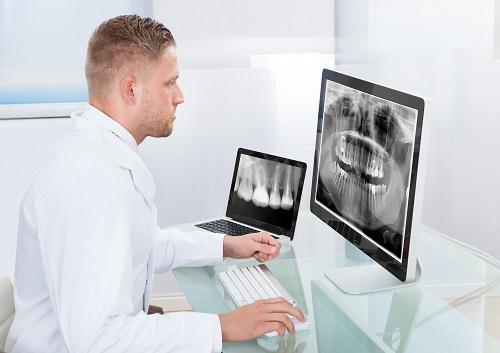 Root canals have long been one of the most feared procedures in dentistry.
Today, dentistry has evolved to the point where root canal therapy is no longer the complicated procedure it once was. It’s time to look past the bad reputation of the root canal and see it for the valuable, pain-relieving solution it is.
Root Canal Therapy
The root canal is the area of the tooth that houses the pulp and the nerve. Sometimes this part of the tooth can become infected.
When this happens, the tooth is extremely painful and sensitive, but the infection can also spread to other areas of the mouth and other teeth. The most effective way to treat the infection is root canal therapy.
Once the anesthetic takes hold and you are completely numb, we will create a small hole in your tooth. Working through the hole, we drain the infected material, pulp, and other debris. We thoroughly clean the tooth's interior, and we may place an antibiotic medication inside the tooth to prevent further infection.
Your tooth will then be filled and a cap or crown will be placed. This is necessary because the tooth's structure will be weakened, and a dental restoration will protect the tooth from breakage and allow you to chew comfortably.
Do I Need a Root Canal?
If you have been experiencing any of these signs or symptoms, call our office immediately. You may have an infection and could require treatment.
- Severe pain in one or more teeth
- Pain that is aggravated by chewing or other pressure
- Pain and sensitivity to hot or cold temperatures
- Darkening of one or more teeth
- A raised bump on the gums
- A bad taste in your mouth
- Swelling and tenderness in the gums that may radiate to the cheek
Call our office to make an appointment. Root canal therapy may be necessary to get rid of your
Frequently Asked Questions
When the interior of your tooth is infected, it can cause a lot of pain and is likely to damage the nerve. If left untreated, the infection could spread to other teeth. Root canal therapy removes the infection and relieves the pain, restoring the tooth and allowing us to save
Understanding the process can often remove a great deal of the fear surrounding dental procedures. During a root canal, the goals of treatment are to stop the infection, prevent further damage, and relieve your pain.
We begin by making sure that you are numb and comfortable. The next step is to open your tooth. We then use special instruments to carefully and thoroughly clean out the infection from your tooth and remove the infected or damaged nerve. If necessary, we may place an antibiotic treatment to prevent re-infection.
The cavity in your tooth will be filled and sealed, and a crown may be placed. You may experience some soreness following the procedure as part of your body’s natural reaction to any type of perceived injury, but this will quickly fade and you will feel much better.
To the general public, root canal treatments get a bad reputation and are synonymous with pain. Reason being, if you need a root canal treatment it is because your tooth's nerve has been compromised which results in pain and infection. The root canal procedure itself is pain-free with the use of local anesthetics. Afterward, you can expect some discomfort during the healing process.
Meet Our Doctor:

Dr. Sajan Desai
After earning his undergraduate at the University of Illinois at Chicago, Dr. Desai went on to pursue his Doctor of Dental Medicine at Midwestern University. Dr. Desai’s mission is to treat every patient as if they were his family member and provide the highest quality dental care in a timely and comfortable manner. ...
Featured Blog Posts - Root Canals
Root Canals

As living features of the human body, the teeth require consistent care to keep them healthy and secure within the mouth. If a tooth receives any type of damage, infection, or trauma, it is essential that it be evaluated and treated in order to save the tooth and prevent damage from spreading to neighboring teeth. Root canals are often the appropriate treatment for a damaged tooth. If just reading the words “root canals” caused you to feel anxious or fearful, please keep reading because your misconceptions of root canals could ...